
Oil analysis skills
Foam Is Only the Air You Can See
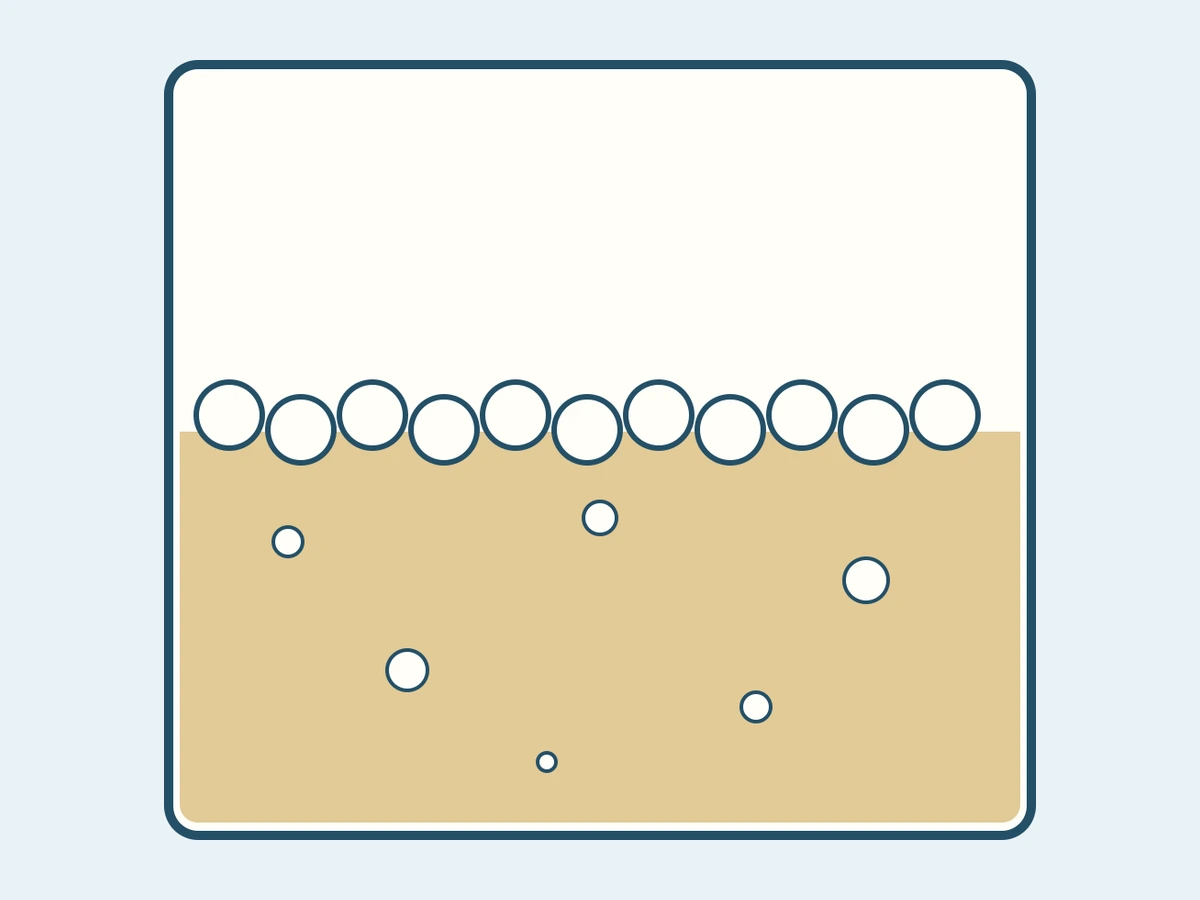
The foam has gone. The pump gauge is still twitching. Before adding antifoam, separate what is happening on the surface from what is travelling through the oil.



Lubrication Institute / Insights
Practical lessons in lubrication, oil analysis and maintenance decisions.
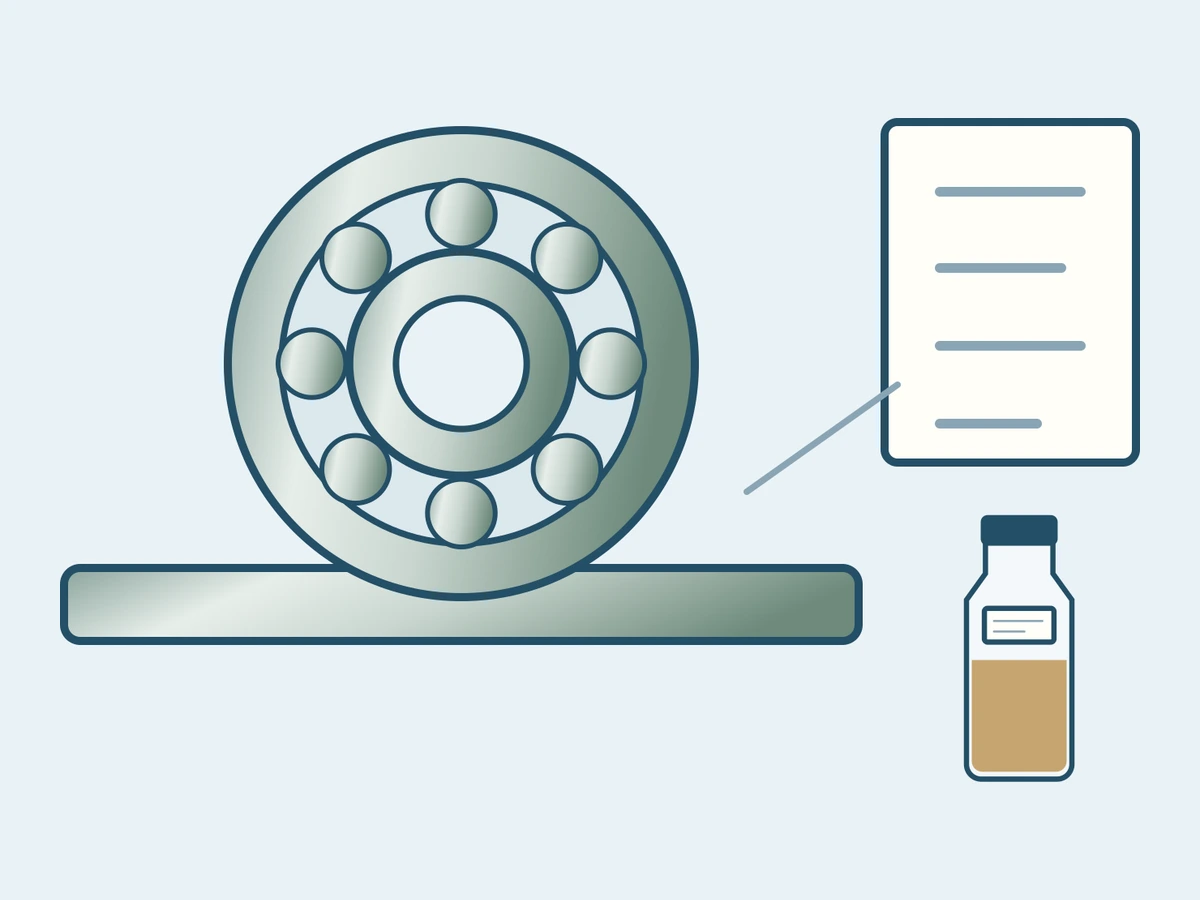
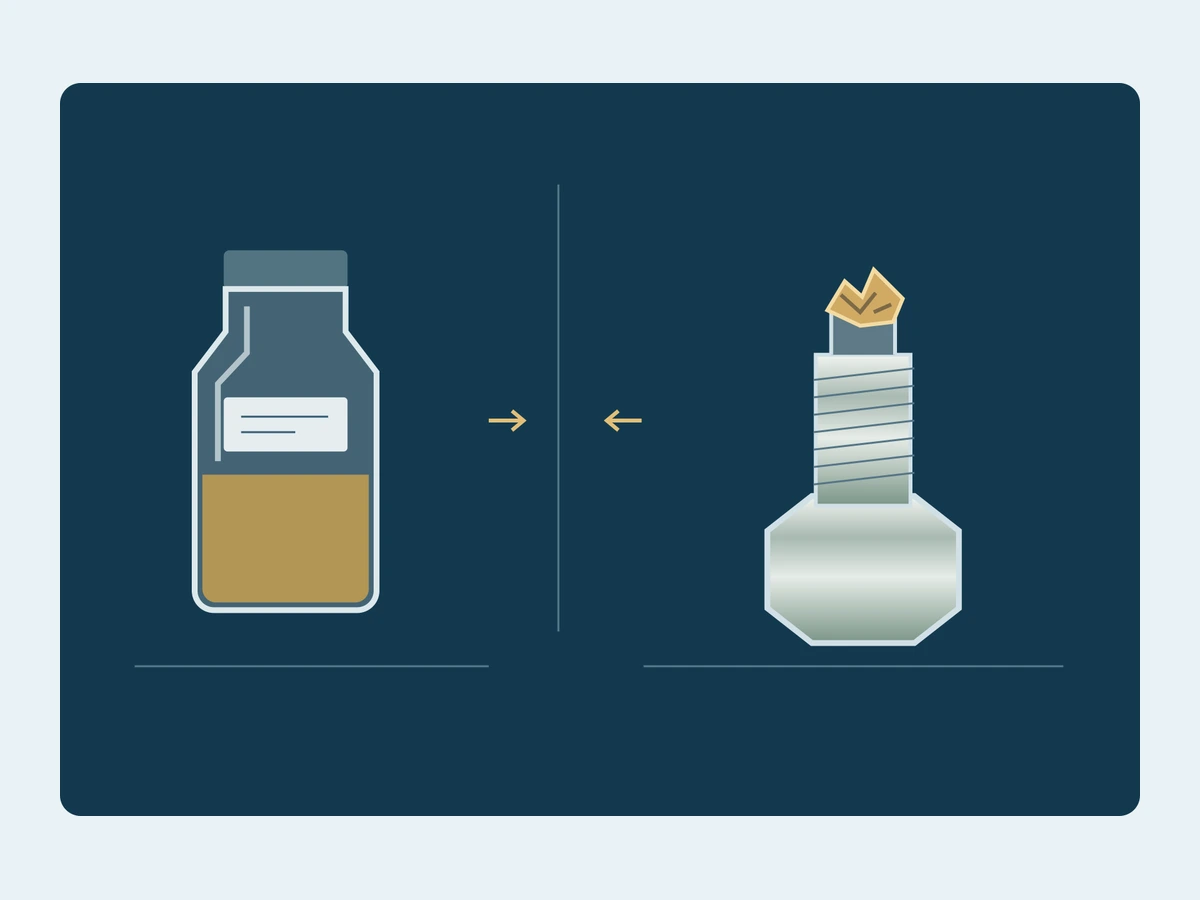
A reassuring iron result and a coarse flake need one review. Follow what each method collected, preserve the debris and ask for the missing evidence.
Read the articleThe collection
12 articles on lubrication and reliability
Oil analysis skills
The foam has gone. The pump gauge is still twitching. Before adding antifoam, separate what is happening on the surface from what is travelling through the oil.
Bearing failure investigation
The repair can be complete while the cause is still open. Preserve the lubricant, location and removal history before the next step changes them.
Bearings
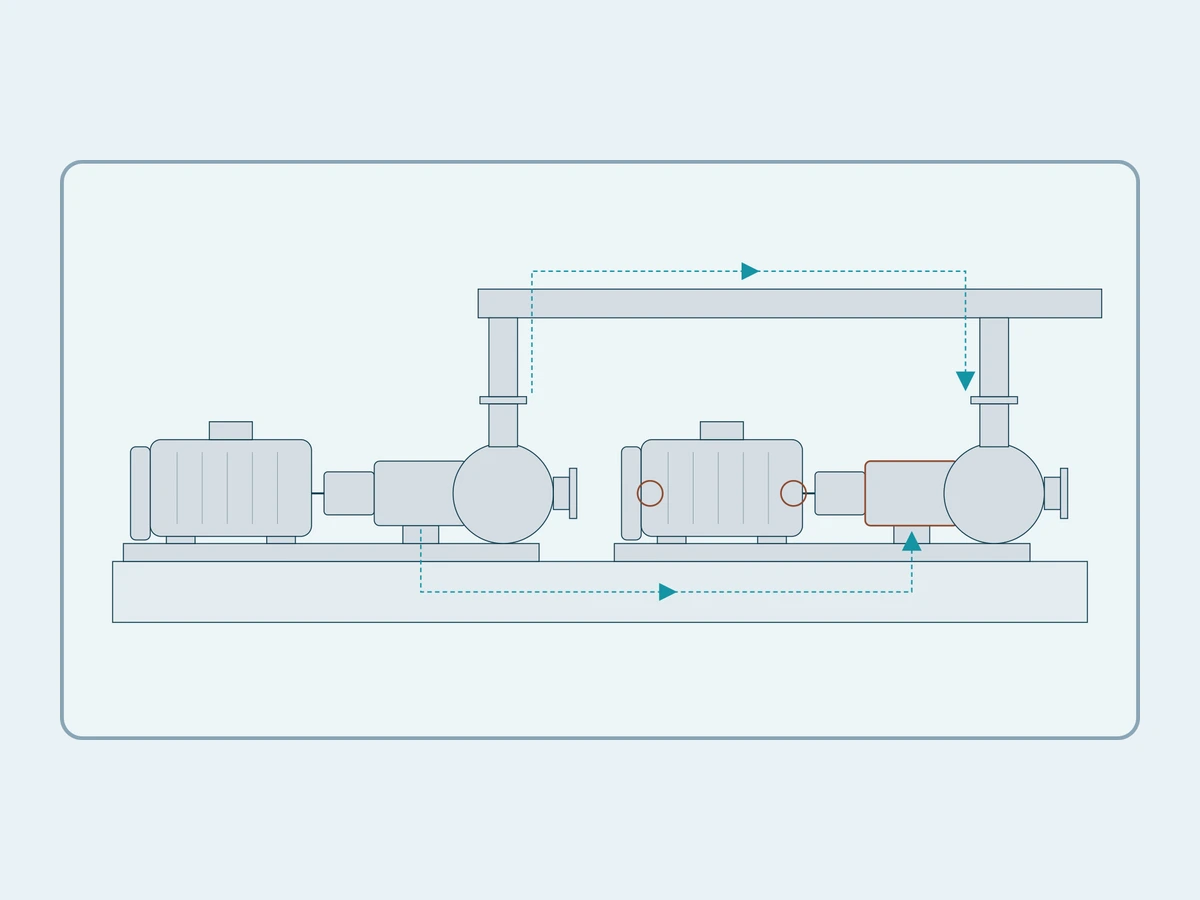
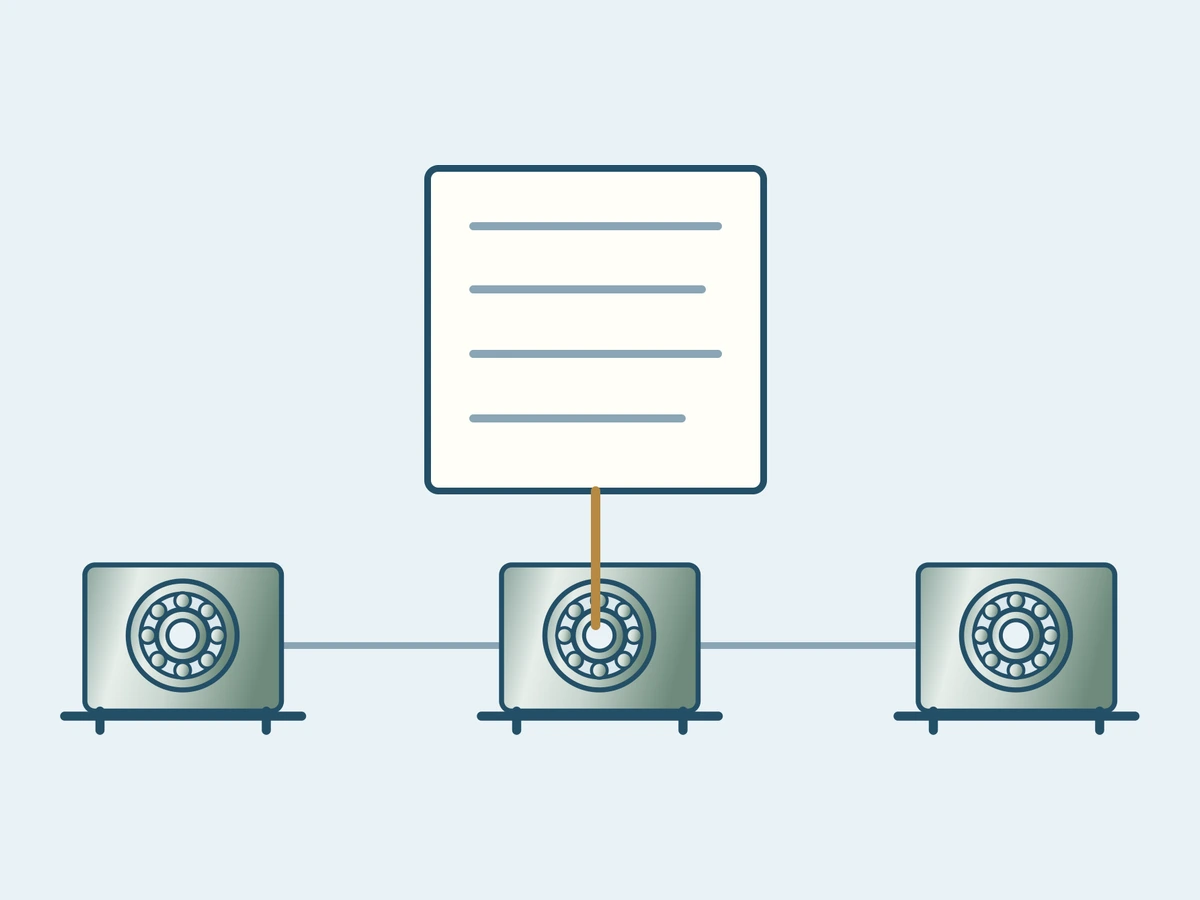
Low running hours do not protect a standby bearing from vibration or water. Understand the damage, find the right instruction and know what a readiness check can actually prove.
Oil analysis skills
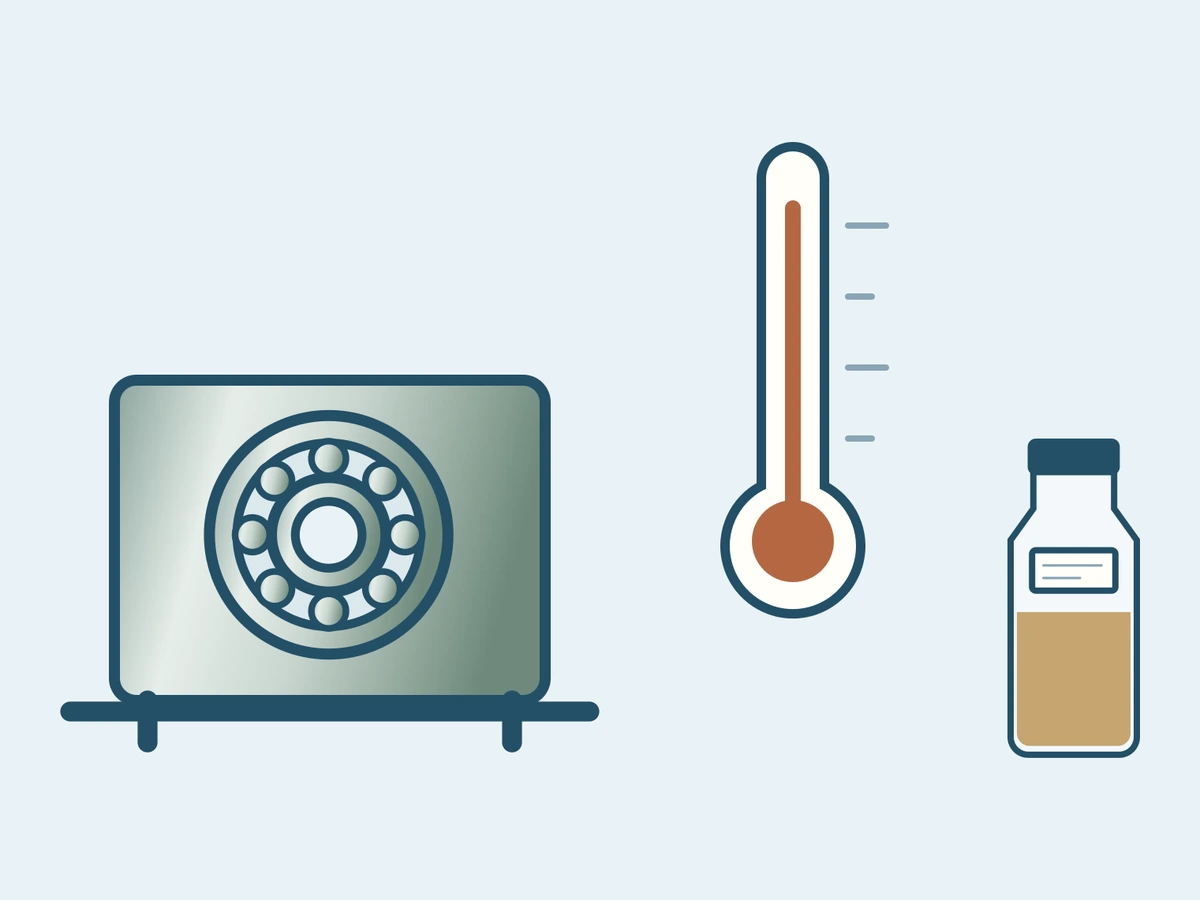
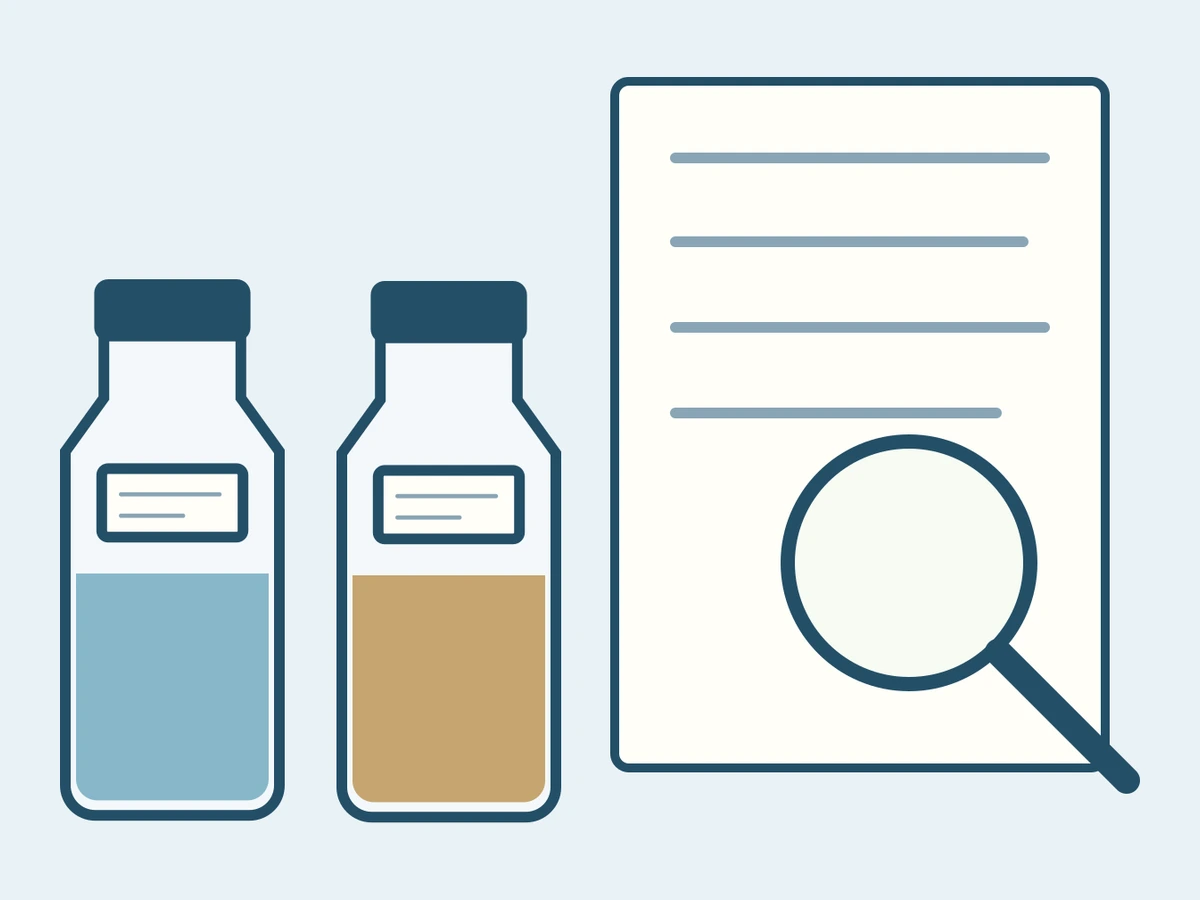
A training exercise: two oil reports agree at 40 °C while the gearbox sump reads 14 °C hotter. See what the lab result answers and what to check next.
Contamination control
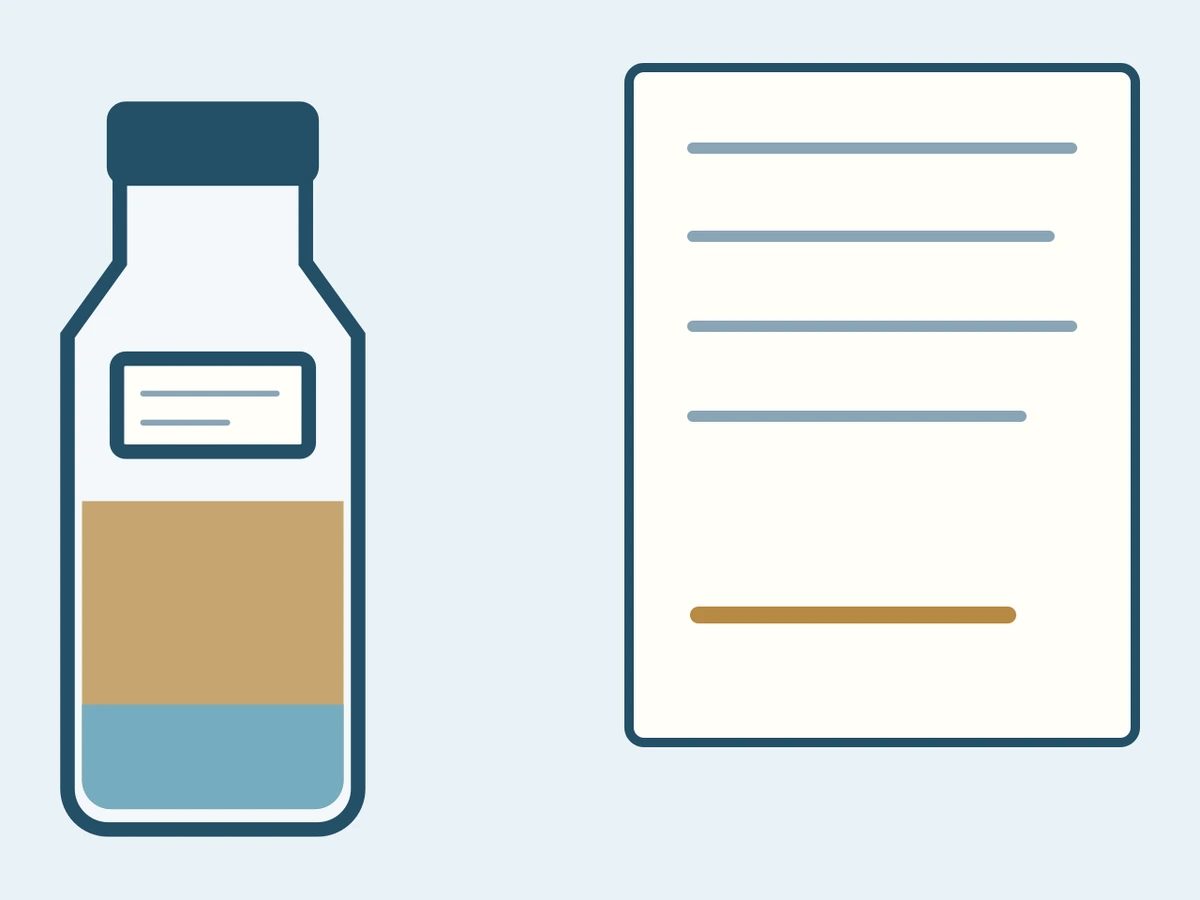
A rising water result can come from the machine, the sample or the test. Learn to check all three, then use the timing of the rise to decide whether an oil cooler deserves a pressure test.
Oil analysis skills
Good sampling and careful reasoning still matter. Learn which habits transfer, which rules change and what one simple dilution calculation can actually tell you.
Oil analysis
A cleaner report after a filter change can look like a reason to close the work order. First, check where the sample came from.
Lubrication management
The course ends on Friday. On Monday, the work order still says "grease motor". Turning that lesson into reliable work takes a clear instruction, supervised practice and a check at the machine.
Lubricant identification
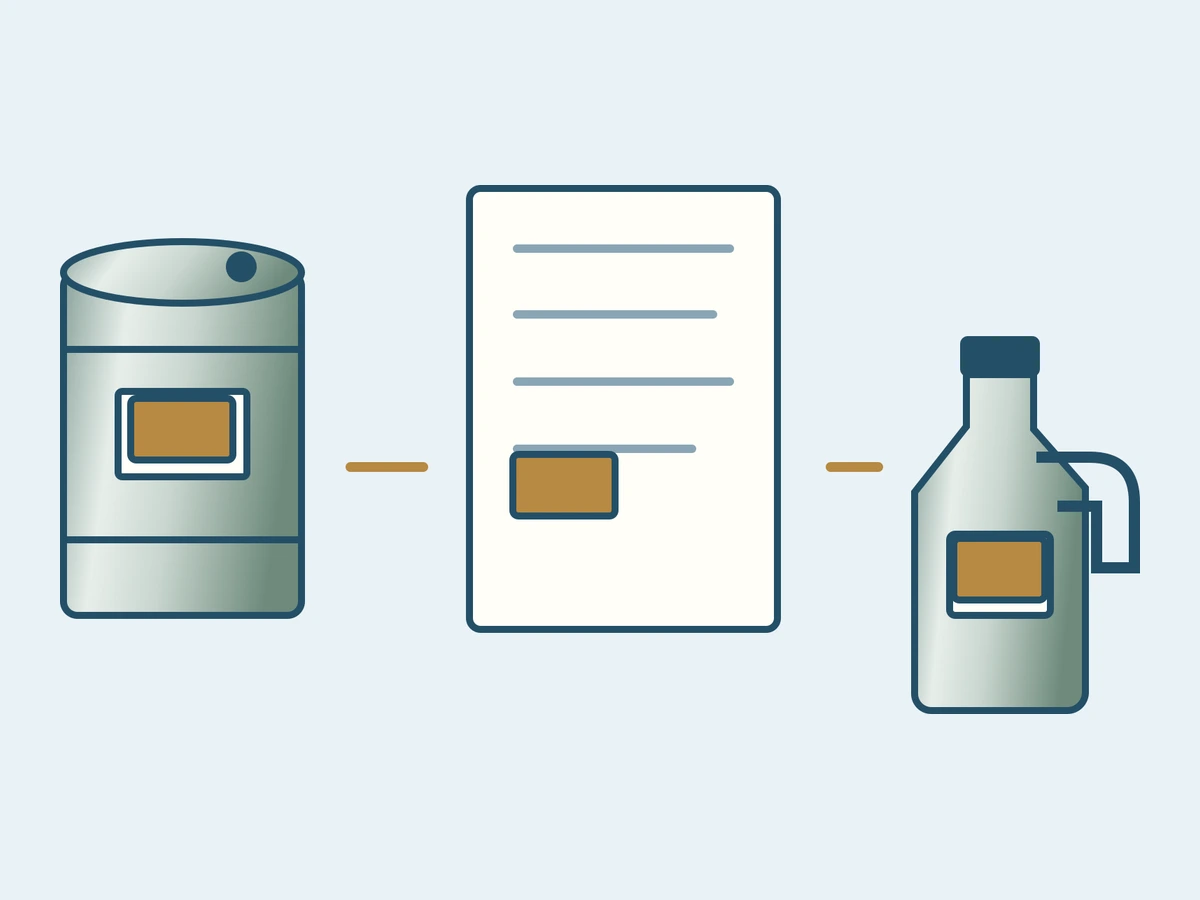
Many lubricant mix-ups begin before a technician reaches the machine. The risk appears when the source drum, transfer container, work order and fill-point tag no longer trace cleanly to one product.
Precision lubrication
Use the temperature slope, measurement quality, verified dose, delivery route and outlet condition to separate temporary grease redistribution from overfilling, blocked relief, product error or a developing mechanical fault.
Lubrication management
A practical pilot for controlling lubricant identity, storage, application, sampling, task quality and exception closure across real operating shifts.
New field notes
Clear guidance on lubrication, oil analysis and reliability improvement. No daily emails.